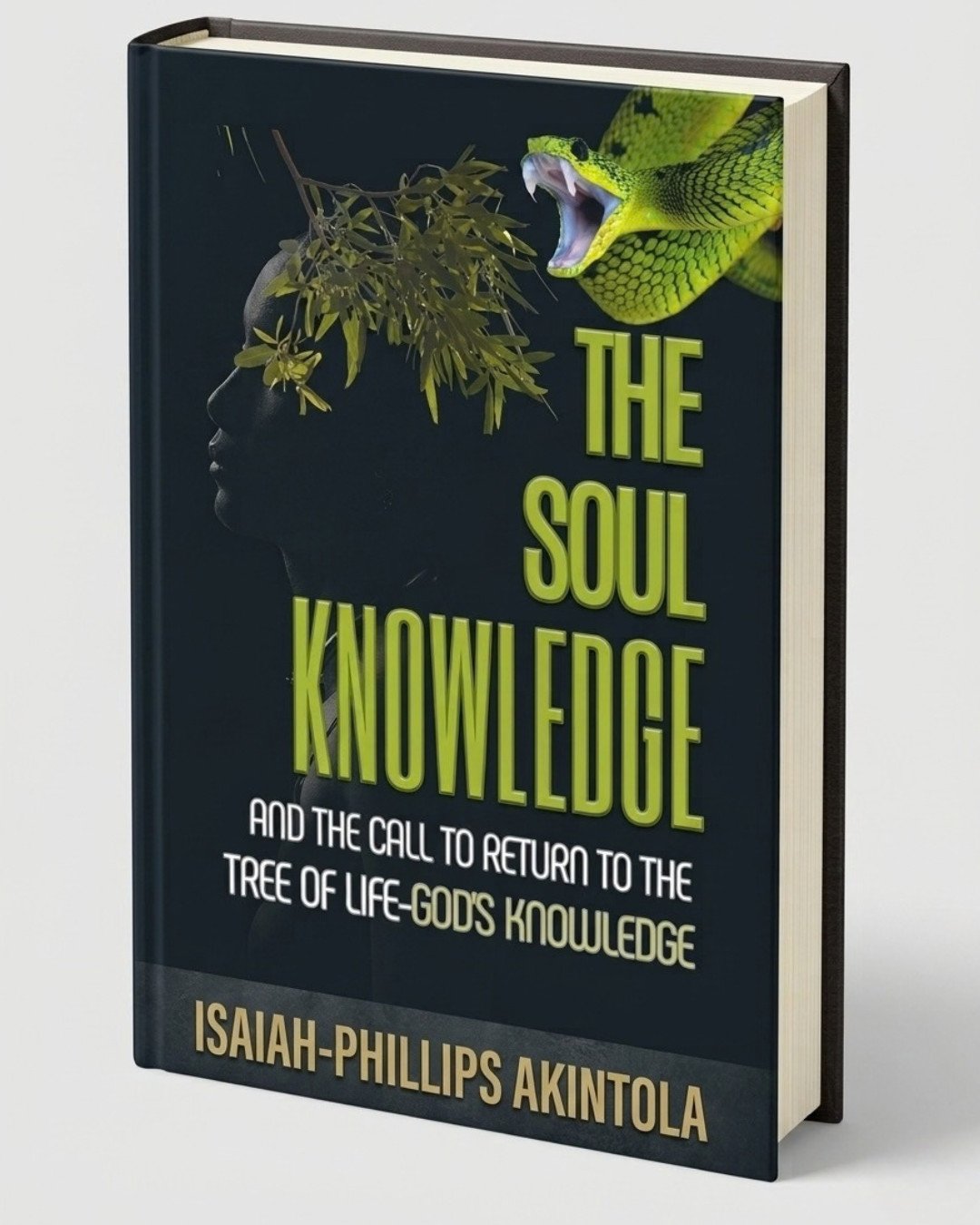
THE SOUL KNOWLEDGE AND THE RETURN TO THE TREE OF LIFE
LIFE IS GOVERNED BY TWO TYPES OF KNOWLEDGE.YET, THE FRUIT OF SUCH KNOWLEDGE DEFINES THE OUTCOME OF HUMAN DESTINY.
Two kingdoms are at war, and both make use of knowledge. The battle of the last days is therefore not only theological and spiritual; it is also ideological and philosophical. It concerns the purpose of knowledge, the assumptions that shape it, and the ends toward which it is directed. This conflict becomes especially urgent as artificial intelligence expands the reach and influence of human thought. Those who lack discernment about what knowledge was designed to serve may gain information and power while surrendering the ground on which truth must stand.
Paul gives this conflict its spiritual diagnosis, insight, and revelation. God “hath delivered us from the power of darkness, and hath translated us into the kingdom of his dear Son” (Colossians 1:13). To be brought into Christ’s kingdom is not only to change our religious identity; it is to come under a different rule of truth. The kingdom of darkness shapes thought through assumptions that exalt themselves against the knowledge of God, while the kingdom of God brings the mind under the obedience of Christ. This is why Paul locates the battle in imaginations, arguments, and thoughts (2 Corinthians 10:5). The central question is which kingdom will govern the meaning and purpose of the knowledge we use, since knowledge will be used either way.
That struggle reaches back to the garden, where the serpent offered Eve wisdom on autonomous terms, the power to define good and evil apart from submission to God (Genesis 3:5-6). Chapter 11 examined that temptation at length, and one consequence of it bears directly on the work of the church. Whenever knowledge is detached from its source and made answerable only to human desire, the pattern of that first temptation reappears.
Intellectual power, competence, and achievement may remain, but they are directed by another allegiance. To use such knowledge unexamined in the work of God is to import not merely a method, but the philosophy that formed it.
The knowledge systems inherited by the modern world did not develop in a vacuum. Chapter 17 traced how Egyptian and Greek philosophy shaped the way Rome governed and how rulers divided people by bloodline, race, and class. The specifics are instructive. Aristotle defended the idea that some people were slaves by nature, while Plato’s Republic arranged citizens according to the functions for which they were judged fit. Roman rule likewise demonstrated how social divisions could be organized and used to preserve authority.
These traditions produced real intellectual achievements, yet they also carried assumptions that ranked human beings by status, capacity, and social usefulness. The danger appears whenever those assumptions survive inside education, institutions, or ministry, teaching us to value people according to credentials, influence, or usefulness rather than according to the dignity and purpose God has given them.
Measured by the standard of God, such wisdom is found wanting because it repeats the garden’s error: it judges value without reference to the One who gives life and purpose. Yet this measure can quietly enter the church. When worldly fluency becomes the test of usefulness, those without fashionable skills, recognized credentials, or access to influential platforms are easily overlooked. Excellence then ceases to be the faithful stewardship of what God has given and becomes a gate through which only those approved by the culture may pass. That is not discernment; it is the world’s hierarchy wearing the language of ministry.
Discover more from PortalsGate
Subscribe to get the latest posts sent to your email.